

Understanding ocean-related risks, opportunities and the evolving investment landscape.
The ocean underpins global trade, food systems, energy, communications, tourism and coastal economies. Climate change, biodiversity loss, pollution, resource depletion and evolving regulation are creating new risks for ocean-dependent industries.
At the same time, investment opportunities are emerging across renewable energy, sustainable aquaculture, maritime infrastructure, coastal resilience, blue finance and nature-based solutions. For institutional investors, the blue economy is becoming both an investment opportunity and an increasingly important dimension of portfolio risk.
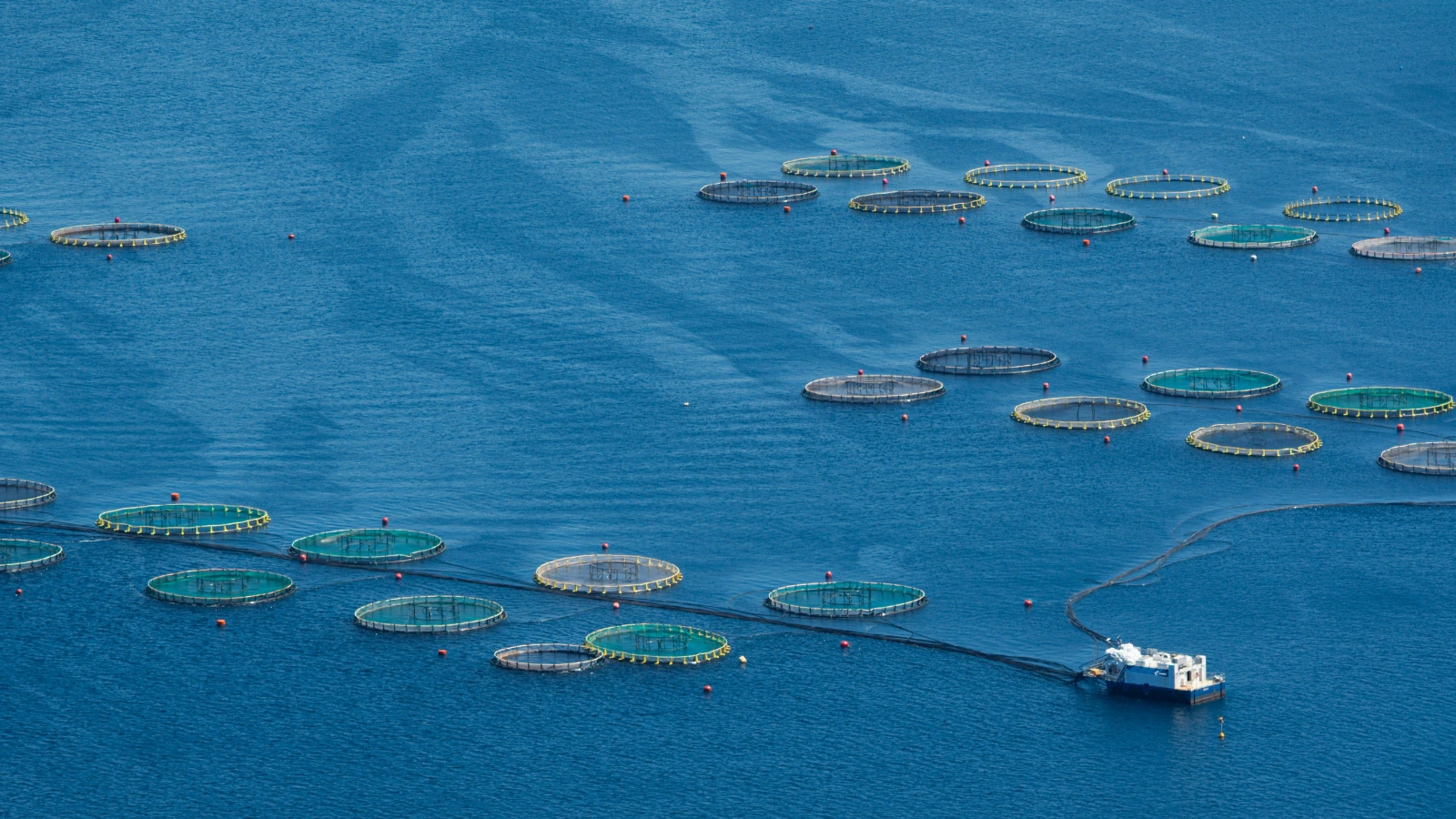
How are institutional investors approaching blue economy?
The Blue Economy is moving onto the institutional investment agenda. But what does it mean in practice for investors?
Global Advisory Alliance and the Principles for Responsible Investment are bringing together institutional investors and specialists to examine how ocean-related considerations are entering investment decision-making.
The briefing will explore the financial materiality of ocean-related dependencies and risks, emerging investment opportunities, regulatory developments, and practical approaches to integrating Blue Economy considerations into investment processes and stewardship.
Join the discussion and hear how institutional investors are beginning to navigate this evolving investment landscape. Register for the investor briefing here.
What is the blue economy?
The blue economy encompasses economic activity connected to oceans, seas and coastal areas. It includes established industries such as shipping, ports, fisheries, aquaculture and coastal tourism, alongside emerging areas including offshore renewable energy, blue biotechnology, marine pharmaceuticals, blue carbon and ocean-based climate solutions.
The investment question extends beyond companies operating directly on the ocean.
Global supply chains, food companies, infrastructure owners, sovereigns and other businesses can depend indirectly on healthy marine ecosystems and ocean-based economic activity.
The Ocean Framework identifies direct ocean exposure across sectors including maritime transport, fisheries, aquaculture, marine and coastal tourism, marine renewables, port infrastructure, subsea telecommunications, blue biotechnology and marine pharmaceuticals.
This makes the blue economy relevant across listed equities, fixed income, infrastructure, private markets, real assets and sovereign investment portfolios.
Why does the blue economy matter to investors?
The ocean is not simply an environmental asset. It forms part of the infrastructure supporting the global economy.
It regulates the climate, supports biodiversity, provides food and livelihoods and enables global commerce.
The Ocean Framework estimates that ocean-related economic activity generates approximately $3–6 trillion annually. It also highlights the financial consequences of ocean degradation, including supply-chain disruption, stranded assets and increasing regulatory and reputational risks.
For investors, this creates two interconnected questions:
- Where are portfolios exposed to the deterioration of ocean ecosystems?
- Where can capital participate in the transition towards a more sustainable blue economy?
Understanding both sides of this equation is becoming increasingly important for long-term investors.
Where are the investment opportunities?
The transition towards a sustainable blue economy is also creating opportunities for institutional capital. These can include established assets as well as emerging investment structures.
Potential areas include:
- offshore renewable energy
- sustainable fisheries and aquaculture
- ports and lower-carbon maritime infrastructure
- coastal resilience and adaptation
- marine ecosystem restoration
- blue biotechnology
- pollution and wastewater solutions
- ocean monitoring and data technologies
- blue bonds and other sustainable financing instruments
- blue carbon and nature-based solutions.
The opportunity set spans multiple asset classes.
For investors, however, identifying an activity as "blue" is only the beginning. Investment structures, environmental integrity, additionality, measurement, governance and underlying ecosystem impacts all require due diligence.
Regulation and the blue economy
The policy environment surrounding the ocean is developing.
Ocean governance spans international agreements, regional frameworks, national regulation and sector-specific rules. This creates a complex landscape for investors with global portfolios.
Regulatory developments can affect areas including:
- marine biodiversity
- fisheries and aquaculture
- shipping
- pollution
- offshore development
- nature-related disclosure
- protected marine areas
- ocean resource use.
For investors, the task is increasingly to map portfolio exposure against relevant regulatory frameworks and understand the potential implications for assets, companies and disclosure.

Investors do not need to become ocean experts. But they do need to understand where ocean-related risks and opportunities sit within their portfolios, ask better questions and know where deeper due diligence is required.

ADVISORY
Strategic Investor Advisory
Work directly with Kelly Christodoulou on investment strategy, portfolio considerations, governance and opportunities across the blue economy.
Feature here
Feature here
Feature here
ENGAGEMENT

Join the Investor Engagement Initiative
We are exploring opportunities for institutional investors to engage with companies on material issues affecting the ocean economy.
Feature here
Feature here
Feature here
TRAINING

Blue Economy Investing Masterclass
A 3-hour live online masterclass designed to help investment teams understand the blue economy, assess investment opportunities and risks, and integrate ocean-related considerations into investment decisions and stewardship.
Feature here
Feature here
Feature here
Need help developing your organisation’s approach to the blue economy?
Ocean-related investment can raise complex questions across portfolio exposure, risk management, capital allocation, due diligence, stewardship and sustainability objectives.
Whether you are assessing existing ocean-related exposure, exploring investment opportunities or considering how the blue economy should fit within your wider investment strategy, speak with us to discuss the issues, test your thinking and consider the right approach for your organisation.
Kelly Christodoulou
Founder of TIideMRV
Blue Economy Programme Lead at Global Advisory Alliance

