Articles
From Exclusion to Engagement: A Stewardship Lens on Europe’s Evolving Defence Investments
For years, ESG frameworks rewarded investors who avoided arms manufacturers. The logic was simple: fewer weapons mean fewer wars. Yet Ukraine challenged that assumption.
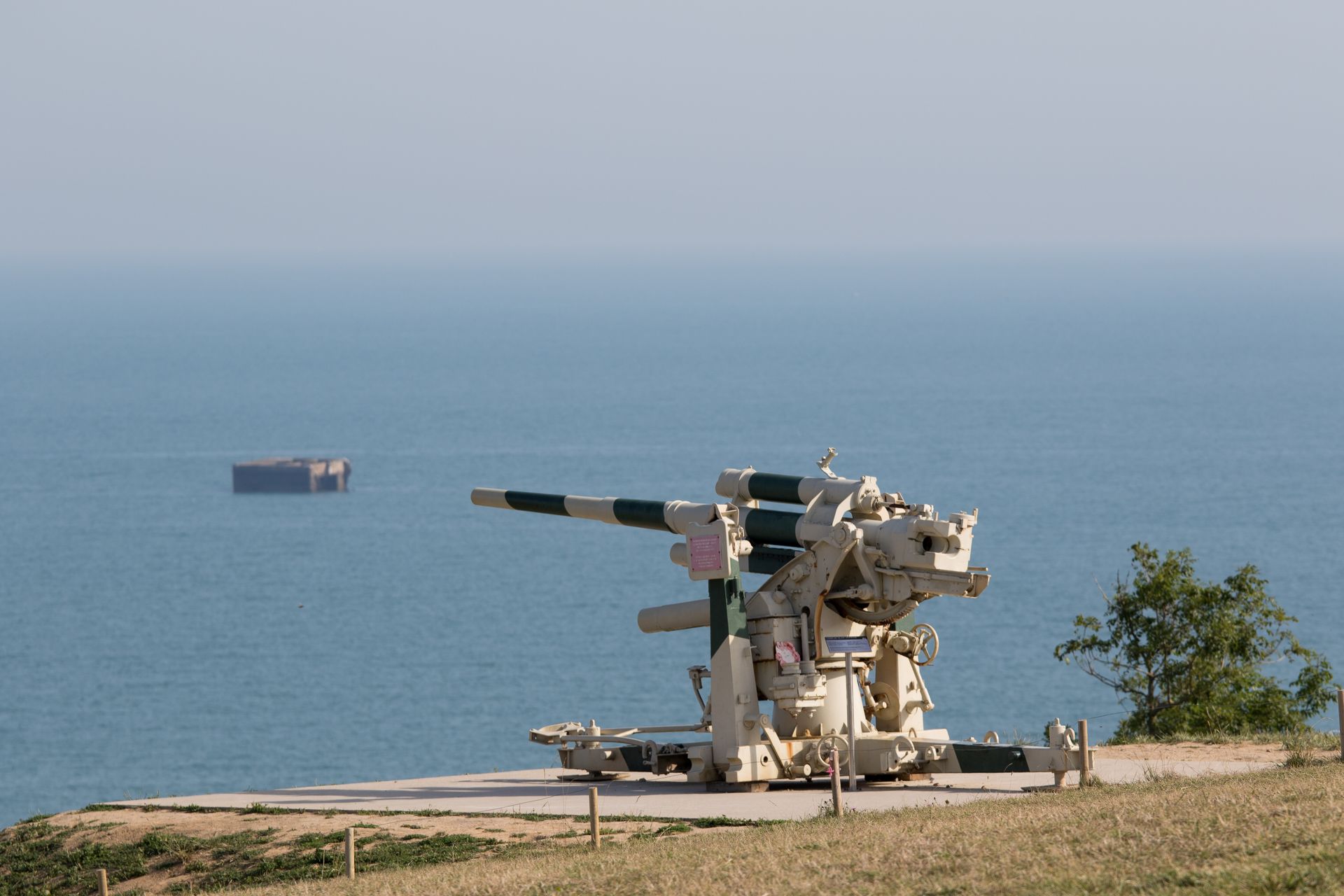

For years, ESG frameworks rewarded investors who avoided arms manufacturers. The logic was simple: fewer weapons mean fewer wars. Yet Ukraine challenged that assumption.
With defence spending rising amid global tensions, institutional investors face new stewardship dilemmas. Defence companies now sit at the intersection of national security, ESG expectations, and complex supply chains. How investors respond today could set the precedent for how controversial industries are approached tomorrow.
Before 2022, most European institutional investors viewed the defence industry as an ethical no-go zone. Weapons manufacturing sat alongside tobacco and gambling on exclusion lists. ESG frameworks - especially in Northern Europe, treated defence as incompatible with responsible investment. But Russia’s invasion of Ukraine redrew that moral map. What was once excluded on ethical grounds is now being reconsidered as a public good.
The war ended Europe’s long complacency about security. NATO members pledged billions in new defence spending. European governments began speaking of “strategic autonomy” and “resilience” with urgency. Investors found themselves facing a difficult question: can responsible investment ignore the industries that safeguard democracy itself?
A moral and financial turning point
For years, ESG frameworks rewarded investors who avoided arms manufacturers. The logic was simple: fewer weapons mean fewer wars. Yet Ukraine challenged that assumption. “Without security, there can be no sustainability,” as one Nordic pension executive put it. Investors began asking whether blanket exclusions truly reflected responsible stewardship - or a comfortable moral distance from uncomfortable realities. Across Europe, the response has not been uniform. The shift has been most visible in the north, where sustainability frameworks are most developed - and most restrictive.
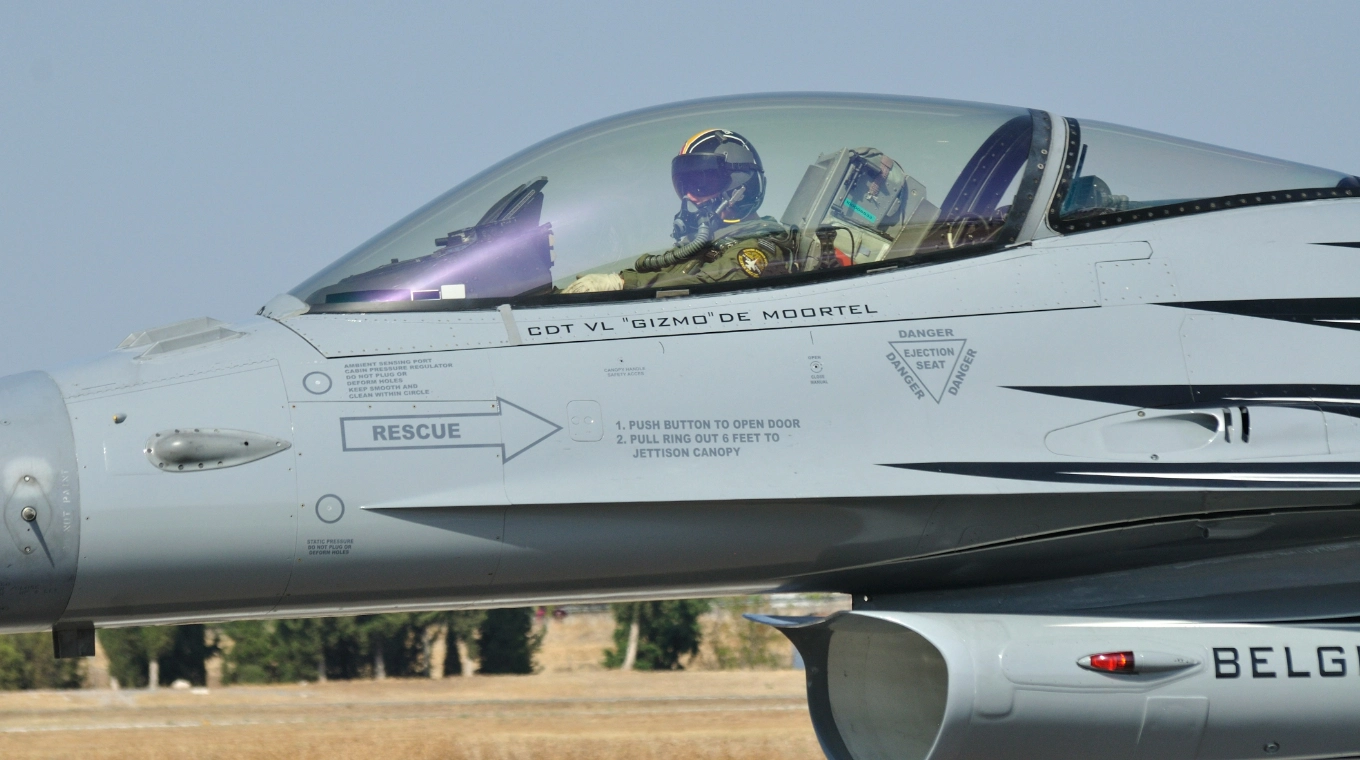
Northern Europe: From moral clarity to moral complexity
In Finland, Varma Mutual Pension Insurance Company managing nearly €60 billion updated its responsible-investment principles in 2025 to allow defence-sector investments under strict conditions. The policy recognizes defence as “a prerequisite for a functioning and safe society,” while continuing to exclude controversial weapons and non-aligned jurisdictions. Defence firms must now pass Varma’s enhanced due-diligence screening.
Another major Finnish fund, Ilmarinen, has not changed its exclusions but participates in national discussions on security resilience. Its sustainability reporting focuses on human rights, supply-chain integrity, and governance, but has yet to disclose direct engagement with defence companies.
This illustrates the caution still present even among Europe’s most progressive investors.
In Denmark, PFA Pension reversed its long-standing ban on investing in major defence firms such as Airbus, Thales, and BAE Systems. “The world has changed significantly since Russia’s invasion of Ukraine,” PFA said. PensionDanmark has gone further, financing naval-vessel construction through public private partnerships an investment once unthinkable under earlier ESG screens.
Sweden’s AMF Pension now considers the defence sector investable provided companies comply with humanitarian law. Meanwhile, Norway’s sovereign wealth fund is openly debating whether its ethical guidelines—still excluding arms manufacturers—remain fit for purpose “in a world again marked by military re-armament and growing tensions.” What unites these Nordic funds is a new realism: the recognition that responsible investment must also protect the conditions under which responsibility is possible. Their tone has shifted from moral clarity to moral complexity, acknowledging that democracy and sustainability are intertwined.
Southern Europe: Pragmatism over principle
In Southern Europe, the change has been quieter. Countries such as Spain, Italy, and Greece have long maintained close ties between state, industry, and defence, and their institutional investors have applied fewer strict exclusions. Defence is viewed less as a moral dilemma and more as an economic and strategic sector supporting innovation, exports, and employment.
Since 2022, Southern European investors have gained new confidence in defence as a legitimate investment theme. Spanish and Italian funds, for example, are active participants in EU programs such as the European Defence Fund and dual-use technology initiatives. Engagement here is pragmatic: focused on competitiveness, industrial autonomy, and the ability to attract EU capital rather than on redefining ESG boundaries.
The next frontier: Responsible engagement
While investment policies are evolving rapidly, publicly documented engagement with defence companies remains limited. Active-ownership reports from Varma, Ilmarinen, and PFA rarely name specific dialogues with defence firms. The few public examples, such as the Bedfordshire Pension Fund in the UK, show that engagement rather than exclusion can drive change: the fund argued that dialogue around cluster munitions and international law was “more productive than exclusion.” Yet such disclosures remain rare.
If investors now accept that defence can align with responsible investment, the next step must be to define what responsible ownership looks like—covering human-rights compliance, dual-use technology governance, and supply-chain accountability.
Stewardship in this context means not just financing security but ensuring it is exercised responsibly. Policy is beginning to catch up. The European Investment Bank has softened its stance on dual-use technologies, and the European Commission is debating whether defence should
fall within sustainable-finance frameworks. ESG rating agencies are also revisiting their methodologies, which have long penalised defence firms simply for their sector classification. These shifts recognize that sustainability without security is an illusion.
The new realism
Two years ago, few European investors would have imagined discussing “sustainable defence.” Today, the phrase no longer sounds contradictory. The challenge ahead is to ensure that this new realism does not become a moral shortcut. Responsible investment must still mean rigorous scrutiny, transparency, and accountability, but it must also acknowledge the geopolitical world as it is, not as we wish it to be.
Europe’s institutional investors are learning that the defence sector is not the opposite of sustainability, it is part of its foundation. Without safety, there is no stability. Without stability, there is no progress. As the continent confronts a more uncertain future, investors must balance ideals with pragmatism and accept that sometimes, defending democracy may be the most responsible investment of all.